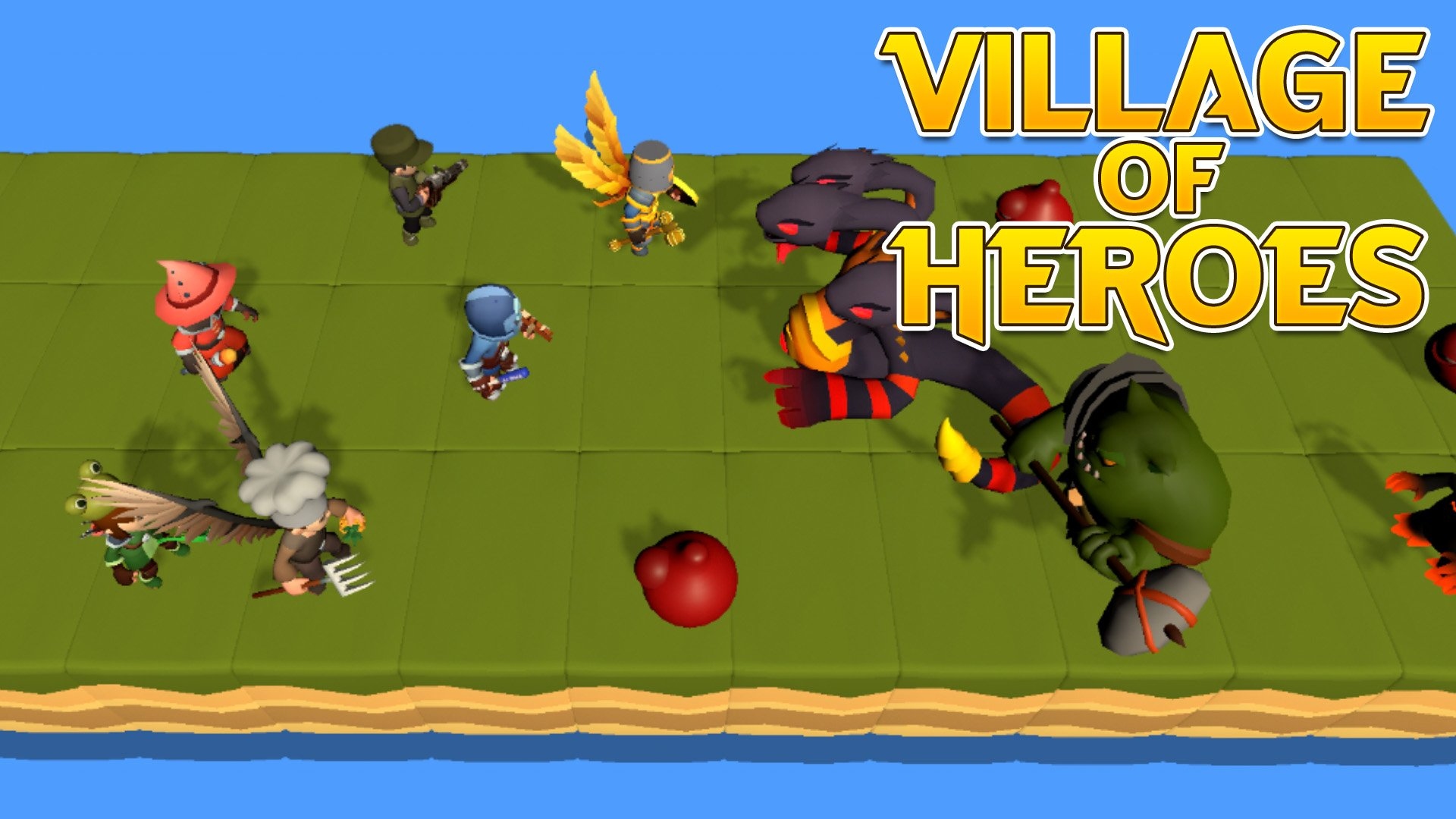
Hero Squad Defense: Tactical Roguelike
Reviews
Hero Squad Defense stands out by merging tower placement with roguelike randomness. The character collection system encourages experimentation, and the resource management decisions feel weighty. Visual clarity helps during hectic moments, and the permanent upgrades between runs provide satisfying long-term goals. While the difficulty can spike unexpectedly, the overall pacing remains fair. It is a solid choice for strategy fans looking for something that rewards both planning and adaptability.
Description
Core Gameplay Loop
Hero Squad Defense asks players to think ahead while reacting to unexpected situations. Each round begins with a selection of characters drawn from a rotating pool. These characters, such as ranged attackers or sturdy protectors, must be placed along a path to intercept approaching enemies. Success depends on positioning each unit where its strengths matter most. As waves progress, new threats appear, forcing adjustments to the formation. The loop of planning, executing, and adapting forms the heart of the experience.
Character Collection and Roles
Players build a roster of characters over multiple sessions. Each character belongs to a class that defines its role in defense. Some excel at dealing damage from a distance, while others absorb hits or provide support effects. The game does not lock characters behind paywalls; instead, new units become available through gameplay achievements. Experimenting with different combinations reveals synergies that can turn a difficult encounter into a manageable one. The variety encourages repeated play to see how different teams perform.
Resource Management Decisions
During a match, players gather resources by defeating enemies and completing objectives. These resources can be spent on upgrading existing characters, constructing defensive structures, or unlocking temporary boosts. Choosing where to invest limited supplies is a constant puzzle. Investing heavily in one character might leave the rest of the line weak, while spreading resources too thin may fail to stop a powerful boss. This balancing act keeps each decision meaningful and rewards careful planning.
Unpredictable Encounters
No two playthroughs are identical due to the roguelike elements woven into the design. Enemy types, wave compositions, and available upgrades change each time. A strategy that worked in one run might fail in the next, pushing players to stay flexible. Boss encounters appear at set intervals, but their abilities vary, requiring on-the-fly adjustments. This randomness adds replay value and prevents the gameplay from feeling stale.
Progression Between Runs
Even when a run ends in defeat, progress carries forward. Players earn experience and unlock permanent upgrades that make future attempts more manageable. These upgrades might improve starting resources, unlock new character classes, or enhance village structures. The sense of gradual improvement keeps players engaged, as each failure contributes to long-term growth. The system rewards persistence without making success feel guaranteed.
Visual and Audio Atmosphere
The art style uses bright, clear colors that make characters and enemies easy to distinguish at a glance. Animations are smooth but not overly flashy, keeping the focus on tactical decisions. Sound effects provide clear feedback for actions like placing a unit or defeating a wave. The background music shifts subtly as tension rises during boss fights, adding to the immersion without becoming distracting.