Jumper Tower Destroyer Arcade
About the Game
Description
Game Introduction
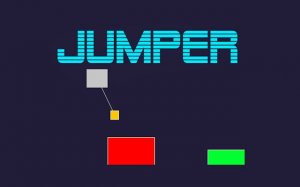
Jumper Tower Destroyer is a physics-based arcade puzzle game that challenges players to swing a cube and land on towers. The core objective is to clear each tower by landing precisely on its flat top, using realistic physics that affect trajectory and landing. This game stands out for its minimalist design and focus on timing and precision, offering a pure skill-based challenge without complex rules or distracting elements. It is designed for players who enjoy testing their reflexes and improving through practice, making it suitable for casual play and quick sessions.
How to Play
To play Jumper Tower Destroyer, players typically tap or click to start the cube's swing. By holding the input, you control the swing length and power, then release at the right moment to launch the cube toward the tower. The goal is to land on the flat top of each tower to clear it and advance. If you miss the top or fall off, you restart from the first level. The controls are responsive, and each attempt feels fair, encouraging repeated tries to improve your timing and trajectory. Practice helps you achieve longer runs and higher scores.
Game Features
Jumper Tower Destroyer includes realistic physics that affect the cube's trajectory and landing, creating a challenging experience. The game features progressive difficulty, with each new tower increasing the challenge over time. Its clean, minimalist design keeps the focus on gameplay, with no distracting elements. The controls are responsive, making each attempt a test of skill. The game offers addictive casual gameplay suitable for all ages, with family-friendly content that contains no violence or inappropriate themes. It is easy to pick up but hard to master, providing lasting appeal for players who enjoy precision games.
Tips for Success
To succeed in Jumper Tower Destroyer, focus on mastering the timing of your releases. Practice controlling the swing length and power to achieve consistent landings. Pay attention to the physics of each tower, as the trajectory can vary. Start with short swings to build confidence, then gradually increase power as you improve. Take breaks if you feel frustrated, as a fresh mind often leads to better performance. Finally, learn from each attempt by analyzing what went wrong, and adjust your technique accordingly. Regular practice is key to improving your high score.