Candle Runner

Arcade Skill Reflex Timing Endurance Casual
Candle Runner
120
Developer: Boulevard Shift Studio
Published: 1756569600
Updated: 2026-09-30

Reviews

Candle Runner targets players who enjoy quick, repeatable arcade challenges. Its strength is clarity: the wick's height gives immediate feedback, and the rising speed creates natural difficulty. The lack of complex mechanics makes it accessible, but the shrinking margin for error keeps it tense. It may not satisfy those seeking deep progression, but for short sessions focused on timing and reflexes, it delivers a focused test.

Description

Guiding the Wick

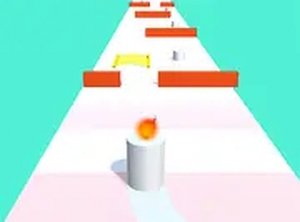
In Candle Runner, you control a lively wick that moves forward automatically. Your only direct input is steering left or right using a mouse or touch screen. The wick's height represents your survival margin: collecting candles scattered along the path fuels your flame and makes the wick taller. Missing too many candles causes the wick to shrink, leaving less room for error when obstacles appear.

Obstacles and Shrinking Margins

Walls and barriers are the main threats. A shrunken wick is more vulnerable to these obstacles, and a single collision can end the run. The challenge is not just avoiding barriers but also keeping your flame tall enough to absorb a mistake. This creates a constant tension between chasing candles and steering clear of hazards, especially as the game speeds up.

Escalating Speed and Endurance

The game accelerates over time, so early caution gives way to quick reactions. Each run demands sustained focus because the margin for error narrows as speed increases. Endurance matters as much as reflex: a player who panics or makes jerky movements will lose height fast. The pacing turns a simple concept into a test of rhythm and composure.

Visual Clarity and Quick Sessions

Bright, clean visuals make the wick, candles, and barriers easy to read at speed. Runs are short and restart-friendly, which suits casual play. The lack of complex controls means anyone can start immediately, but beating your best distance requires practice and pattern recognition. It is a pick-up-and-play arcade game that rewards repetition without demanding a long commitment.

Editorial Notes

Compatibility

This H5 game runs smoothly on:
• Desktop computers (Windows / Mac) • Mobile phones (iPhone / Android)
• Tablets (iPad / Android)
🌐 Best experienced with Chrome, Safari, or Edge

Faq

What happens if I miss a candle in Candle Runner?
Missing a candle causes your wick to shrink. A shorter wick is more vulnerable to walls and barriers, so collecting candles consistently is the main way to stay alive. You can miss a few, but too many will leave you with almost no margin for error.
Does Candle Runner have an ending or is it endless?
The game is described as endless replayability where players try to beat their best distance. There is no final level mentioned; instead, the challenge continues until you collide with an obstacle or shrink too much. Each run ends when the wick can no longer survive.
Can I play Candle Runner with a keyboard?
The provided information only mentions mouse or touch screen controls. No keyboard support is stated. If you prefer keyboard input, you would need to check the game's current options, as this detail is not covered in the available description.
Is Candle Runner suitable for children?
The game features bright visuals and simple left-or-right steering, with no graphic content described. It is listed as casual and suitable for all ages. Parents can decide based on the child's ability to handle increasing speed and reflex demands, but the theme itself is not mature.
How does the difficulty increase in Candle Runner?
Difficulty rises because the game speeds up over time. As the wick moves faster, you have less time to react to barriers and collect candles. The shrinking wick from missed candles adds another layer, making later stages of a run more demanding than the start.
What is the main skill needed for Candle Runner?
Timing and reflex are central. You must anticipate upcoming obstacles by scanning ahead and make deliberate left-right movements. Endurance also matters because speed increases and a single mistake can end the run. Practice helps you learn the game's rhythm and improve reaction time.