Phrase Finder Word Challenge
Reviews
Phrase Finder Word Challenge stands out by turning idiom practice into a platforming task. Collecting words in order adds a puzzle layer to simple movement, while the jumbled list and definitions support players who are still learning. The bright visuals and basic controls suit younger audiences. The main limitation is that the game relies on reading for its core challenge, so it may not appeal to players seeking pure action.
Description
Collecting Words to Complete Idioms
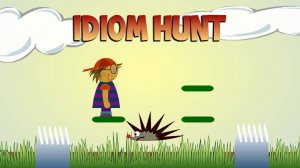
Phrase Finder Word Challenge turns idiom practice into a platforming task. Players control a small character who must reach scattered word tokens placed across each level. The twist is that words must be collected in the correct order to form a common English expression. As each word is picked up, it appears at the top of the screen, so players always see how much of the phrase they have assembled. A jumbled list of all words for the current idiom sits at the bottom, along with a short explanation of what the phrase means.
Level Layout and Gradual Difficulty
Every stage introduces a new idiomatic expression. Word tokens are positioned in different spots throughout the environment, and the platform layout is designed to guide players naturally toward them. Early levels use familiar phrases, while later ones introduce less common expressions. That shift encourages careful reading and logical thinking about word order. Because the difficulty rises gradually, players can build confidence before tackling trickier idioms.
Visual Style and Learning Approach
The game uses bright, cheerful graphics with friendly character design and colorful backgrounds. This visual clarity keeps attention on the word-collecting task and reduces frustration, which supports repeated play. By embedding idiom definitions directly into the action, Phrase Finder Word Challenge helps players understand figurative language in context. Physically moving to collect each word reinforces memory, an approach that can benefit visual and kinesthetic learners.
Controls and Accessibility
Controls are limited to basic movement and jumping, making the game approachable for younger players and those new to video games. The interface is clean, with clear indicators for collected words and remaining targets. While no reading is required to understand the controls, reading the idiom descriptions is essential for solving each puzzle. This keeps the focus on language while keeping the moment-to-moment play simple.



Editorial Notes